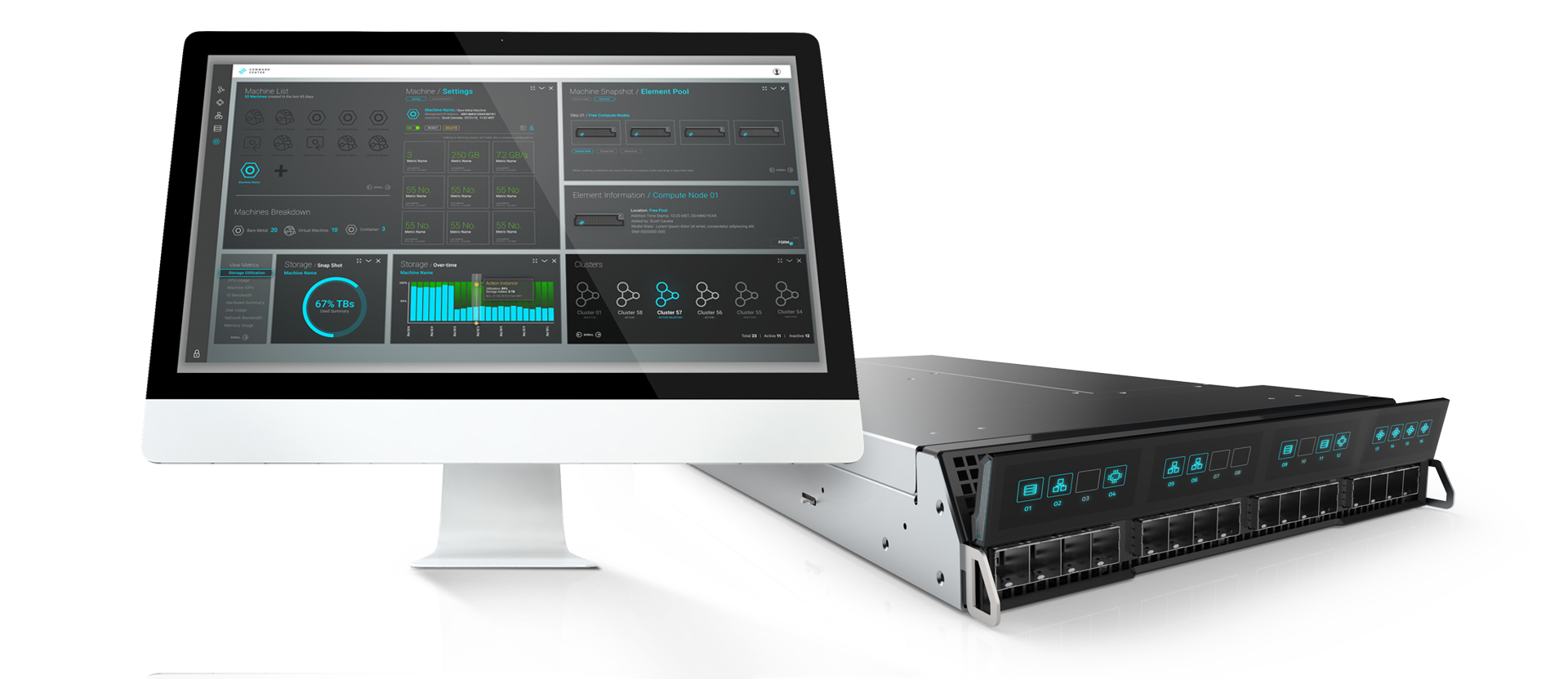

In the server space, one of the biggest shifts was the form factor of the servers: From tower to rack-mount to blades. But what makes a blade server anyway? Let’s consider this for a moment, as we watch another shift in progress.
Eight Unresolved Questions About FCoE
The Terrifying True Story Of Virtual Machine Mobility
Virtualization of server, network, and storage services illuminates the link between physical resources and functional applications. A running virtual machine can instantly move from one server, network adapter, HBA, or LUN to another. And when it happens, traditional components have no idea how to react.
Virtualization and High Bandwidth Datacenter–How the Datacenter Landscape Is Changing
The traditional datacenter is comprised of servers, network, and storage. We have all seen major changes in server architectures (including newer processors, new instruction sets, faster RAM, PCIe, and Blade architecture) and storage architecture (SAN/NAS functionality, SSDs/EFDs, caching improvements, replication, and storage tiering). These improvements have shown major benefits to the users of these systems and have kept capital investments in IT moving along as IT departments have been able to improve stability and performance due to them.
The Scaling Limitations of Etherchannel -Or- Why 1+1 Does Not Equal 2
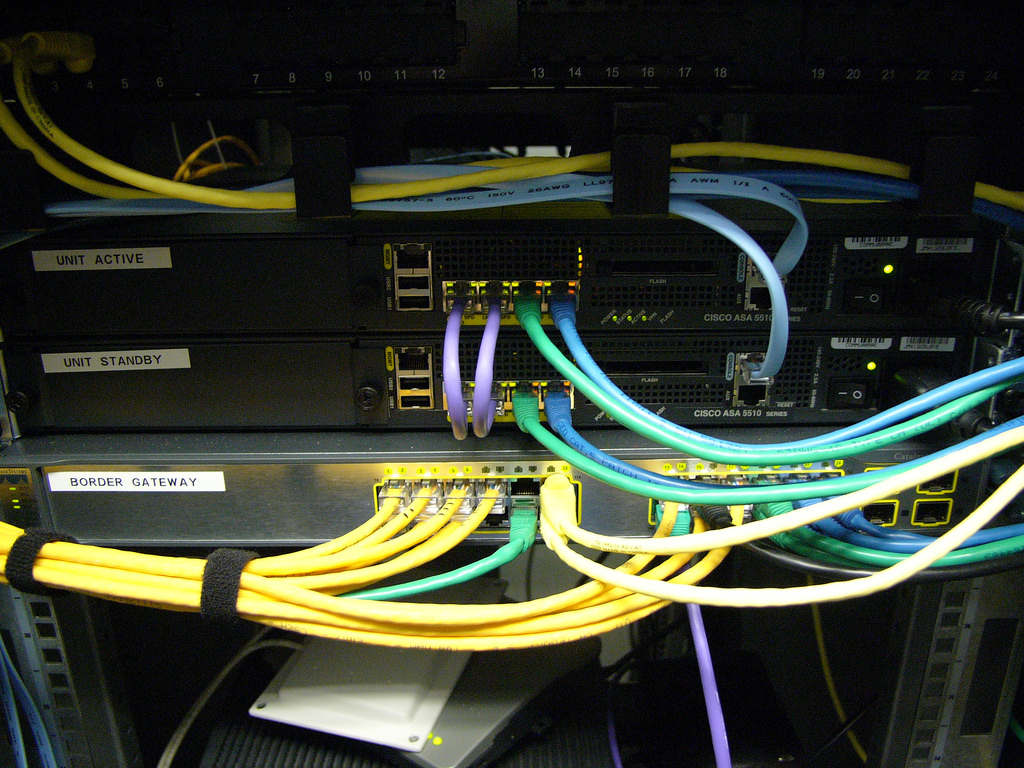
Some of you know I took on a new job earlier this year, where the challenge was (and is) to transform a globally distributed network for a growing company into an enterprise class operation. A major focus area has been eliminating single points of failure (SPOFs): single links, single routers, single firewalls, etc. If it can break and consequently interrupt traffic flow, part of my job is to design around the SPOF within the constraints of a finite budget.
Coping Mechanisms For A Lying ARP Cache
Caches can be guilty of storing bad data. When they first learned their data, they had learned truth. But as a cache’s data ages, the possibility increases that the cached data becomes stale: out of sync with reality. When cache gives you stale data, it’s lying: a stiff penalty we sometimes pay for performance.
Traveling East-West Might Get A Little Easier: Highlights from the TRILL RFC5556
Don’t Drop The Baby: Data Center Bridging Wants Storage To Trust Ethernet
“Convergence” is a buzzword seen in the IT press constantly these days. All convergence means is placing communications that used to ride on its own network onto one unified network; Ethernet’s cheapness, ubiquity, and ever-growing link speeds makes it the network everything is moving towards. The first big convergence move was to combine voice networks with data networks, using IP telephony. The challenges of a converged voice/data network include prioritizing voice traffic over pretty much anything else during times of link congestion, and keeping call quality high by delivering datagrams in a predictable time with a predictable gap in between those datagrams.
Show 17 – Big Hot and Heavy Switches – Part 2
A detailed look at the Big, Hot and Heavy Ethernet Switches with a large crew to talk about their practical experiences on design, selection and performance of Cisco Nexus switches. The result ? We don’t think the Nexus switches are very exciting. Due to people commitments we recorded a double length show which will be released in two parts. This is Part 2 and Part 1 was released next weekend.